Photo Credit: © Shobhan Singh/WHO
The health-climate connection
Let’s look at the links between climate and health across South-East Asia.
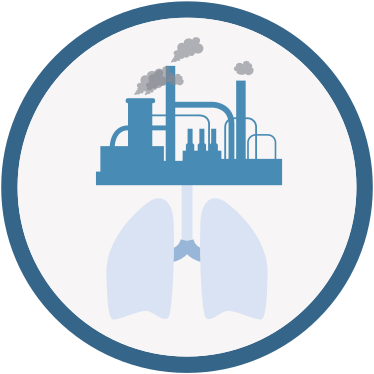
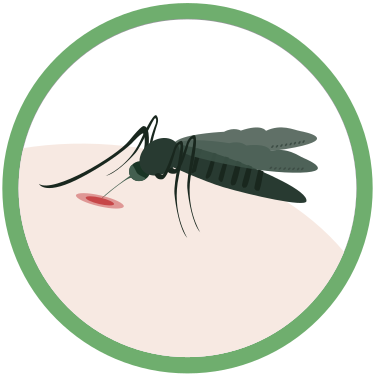
First off, welcome to a world of complexity and interconnectedness, where impacts act directly and indirectly, sometimes influencing each other to make outcomes worse. For example: changing rainfall patterns may translate directly to more cases of cholera or malaria. Warming oceans might harm fish populations, which reduces the amounts fisher people catch, leading to lower protein intake, and indirectly, to greater malnutrition. In the worst cases, climate impacts interact to make things worse. For example, existing air pollution can become even more toxic as high temperatures convert particulate matter to ozone, a more damaging pollutant. And that heat might also spark a major wildfire, sending smoke and pollution across vast areas.
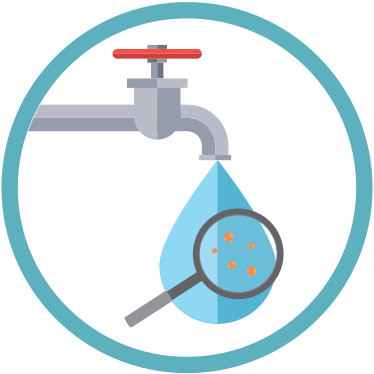
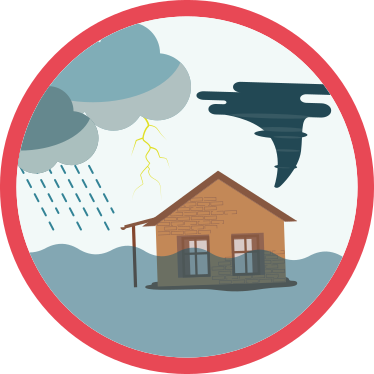
Heat and water are the main roadways of climate change -- they drive nearly all impacts. Across the South-East Asia region, climate models forecast rising temperatures, variable rainfall and snowfall, more frequent and intense extreme weather, a rise in sea levels, and more glacial melting. The result may be hotter days, more heat waves, increased air pollution, more wildfires, stronger floods, droughts and cyclones, and changes in water quantity and quality. Needless to say, the impact on health could be huge, with more deaths and injuries, an increase in diseases, more malnutrition and poorer mental health.
Should we care? Yes, of course, because no one is shielded from these impacts. Climate change can affect health at every stage of life, from babies in the womb to young people to adults to the elderly. And if we don’t take action, health outcomes are going to worsen. But if we get involved now, we can lessen the impacts significantly.
Learn more about key health-climate impacts below.
Photo Credit: © Mokhamad Edliadi/CIFOR Nepal




-

Photo Credit: © Niranjan Shrestha
-

Photo Credit: © Scott Wallace/World Bank Previous Next
-

Photo Credit: © Florian Lang/WHO SEARO
-

Photo Credit: © Simone D. McCourtie / World Bank
-

Photo Credit: © Arturo Pesigan/WHO
-
Photo Credit: © WHO
-
Photo Credit: © Simone D McCourtie/World Bank
-
Photo Credit: © Asian Development Bank


