
Every voice makes a difference
Every voice makes a difference
That’s the whole idea of advocacy. When we take a stand for something we care about, we have the power to make change.
Whether climate change is threatening your community through rising sea levels, extended heat waves, melting glaciers or extreme monsoon rain, the well-being of you and your neighbours may be at risk. That could mean more air pollution, more disease, increased malnutrition, physical destruction of hospitals, clinics and schools, and even disaster-related deaths. This is where your voice comes in – you can be an advocate for health and climate in all policies.
This section of the toolkit provides a quick overview of ways you can get involved. It outlines the steps to creating an advocacy strategy and describes WHO’s work with governments across the region to respond to climate change impacts on health. Read on to find out more.
Making change, inspiring action
People often think about advocacy as a means to influencing policy, laws, regulations or other government decisions. Advocacy also describes what happens when individuals or groups seek to influence others outside government; for example, by raising awareness or collaborating with others to set local priorities.
Across the varied contexts, advocacy actions can fall into three categories: collaboration, communication and mobilisation.
Photo Credit: © Simone D McCourtie/World Bank
Tools for developing a health-climate advocacy strategy
Dive into an issue-specific campaign
Our climate is changing, even more rapidly than scientists forecasted a decade ago. We need to pick up the pace of our response. This toolkit provides ready-to-use content for campaigns on a few priority health-climate topics to help you get started. Those areas include:
- Climate-resilient water, sanitation and hygiene (WASH)
- Climate-resilient health care facilities
- Climate-sensitive disease surveillance
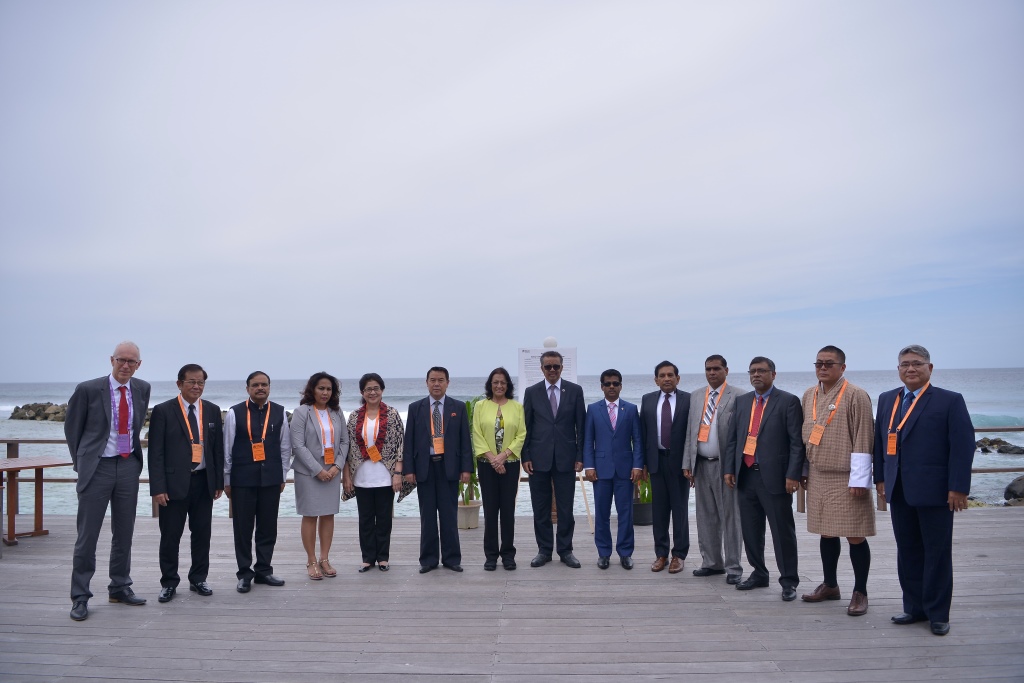
Photo Credit: © Florian Lang/WHO SEARO

Photo Credit: © Florian Lang/WHO SEARO
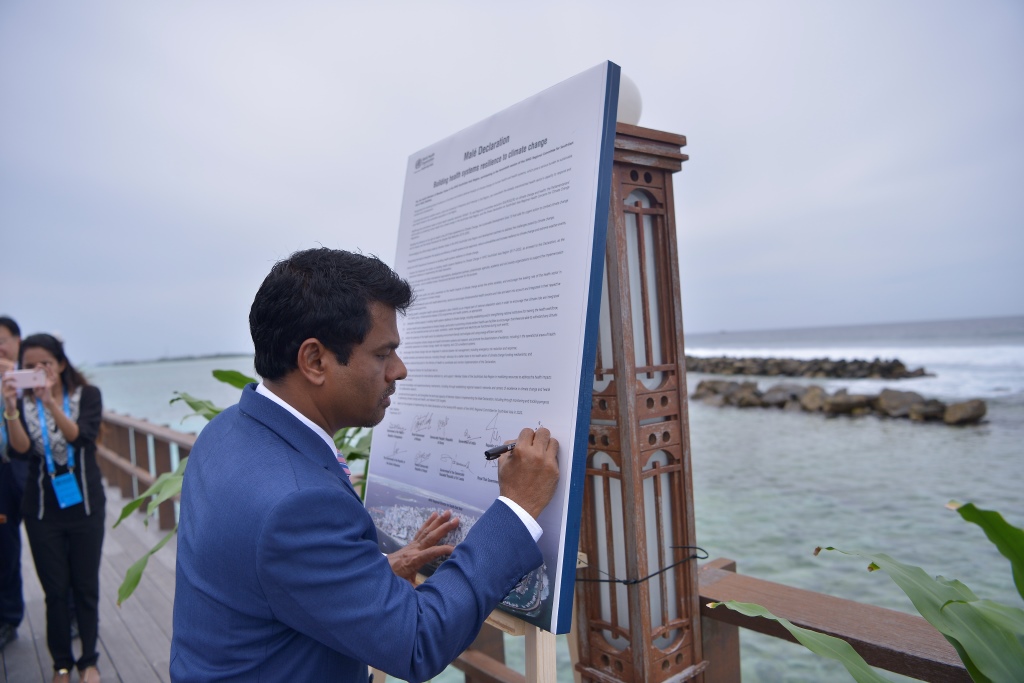
Photo Credit: © Florian Lang/WHO SEARO
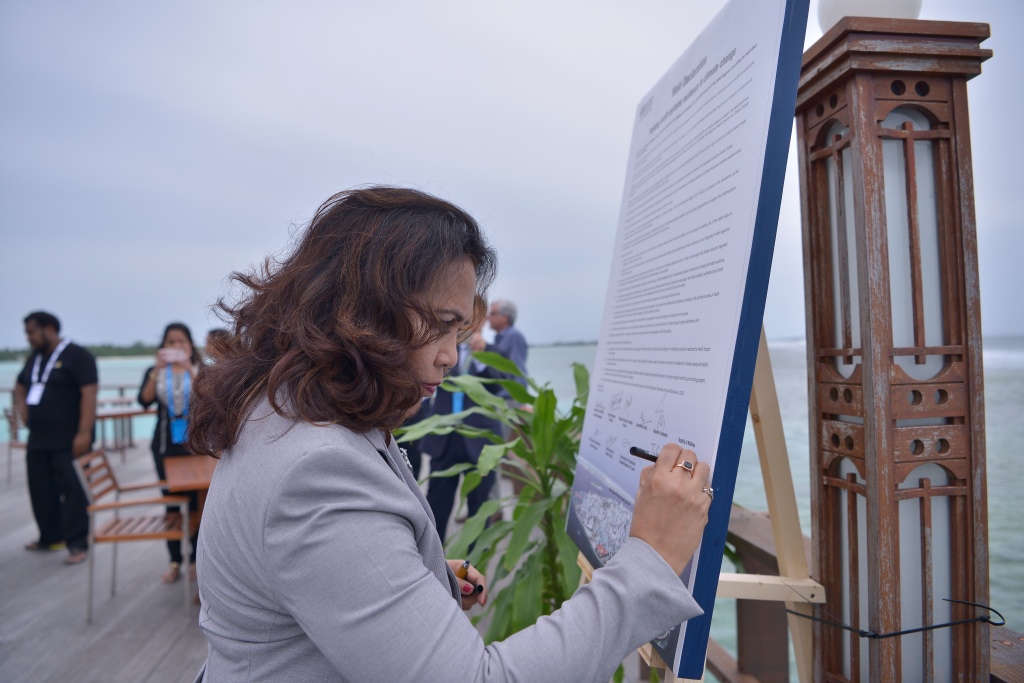
Photo Credit: © Florian Lang/WHO SEARO
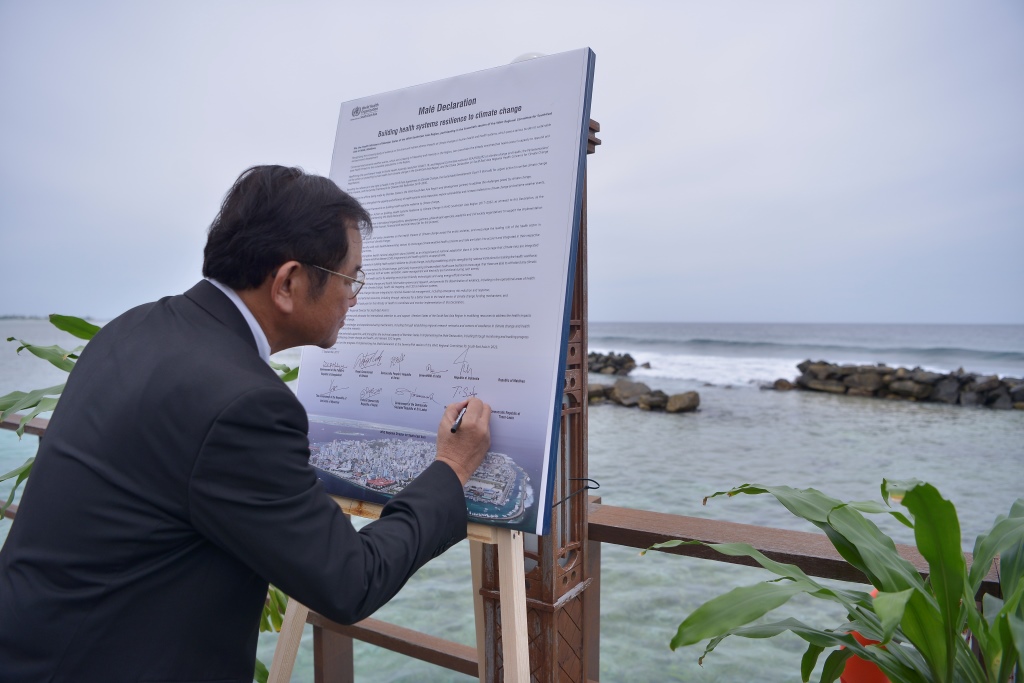
Photo Credit: © Florian Lang/WHO SEARO
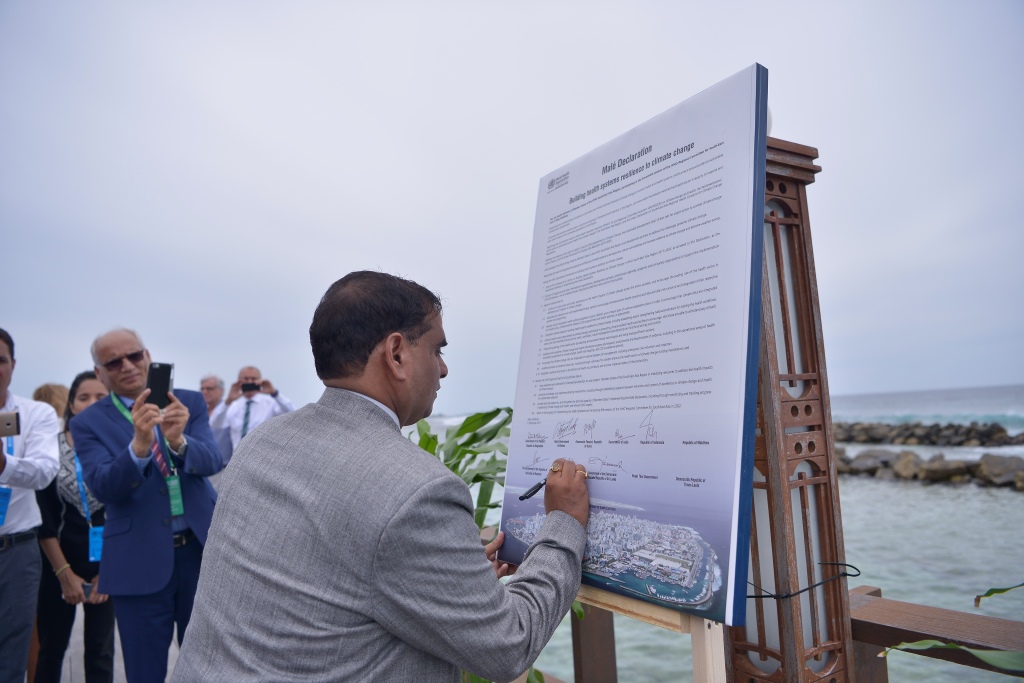
Photo Credit: © Florian Lang/WHO SEARO
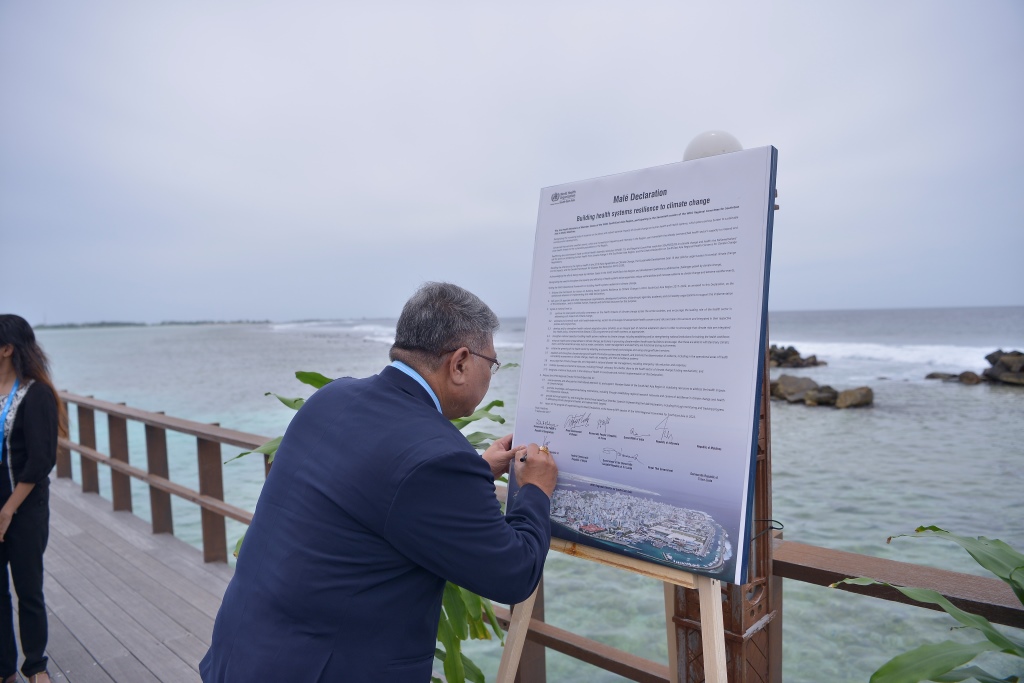
Photo Credit: © Florian Lang/WHO SEARO
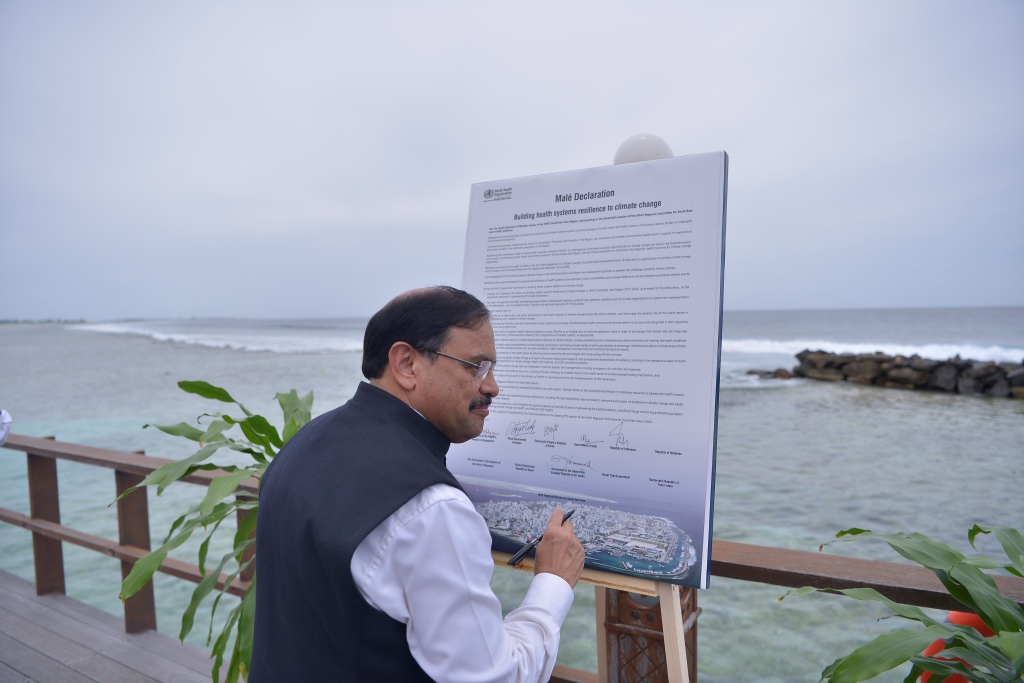
Photo Credit: © Florian Lang/WHO SEARO
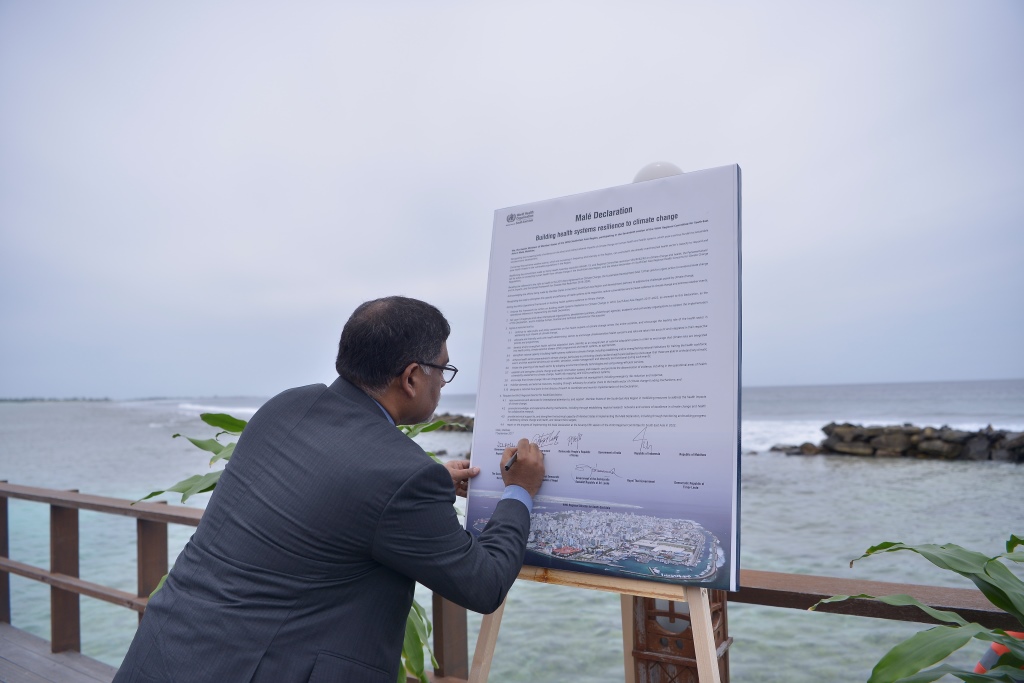
Photo Credit: © Florian Lang/WHO SEARO
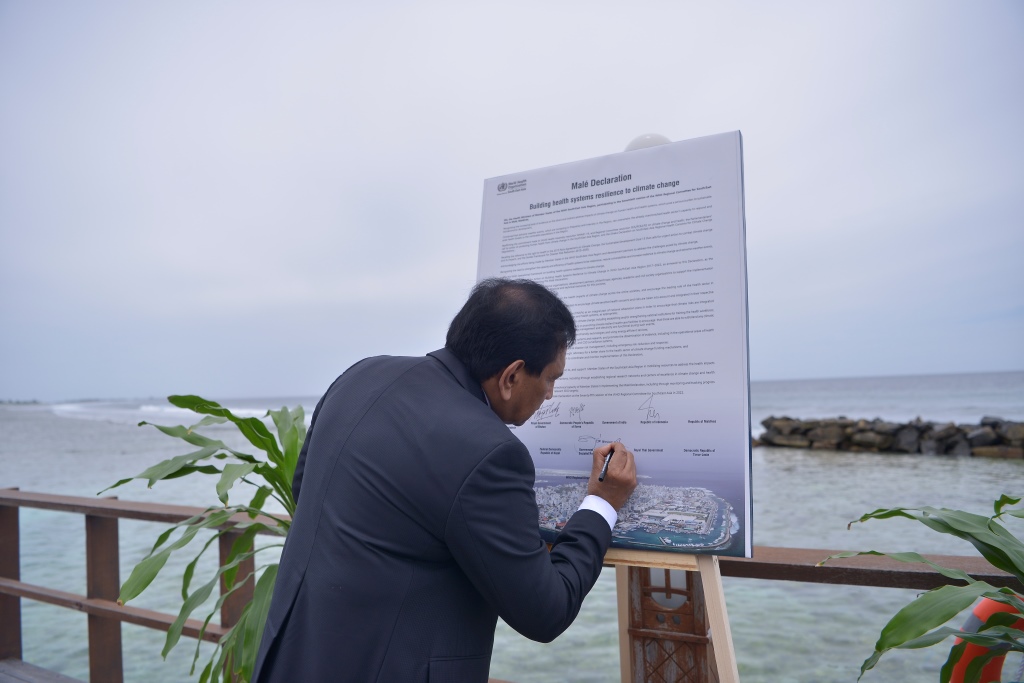
Photo Credit: © Florian Lang/WHO SEARO
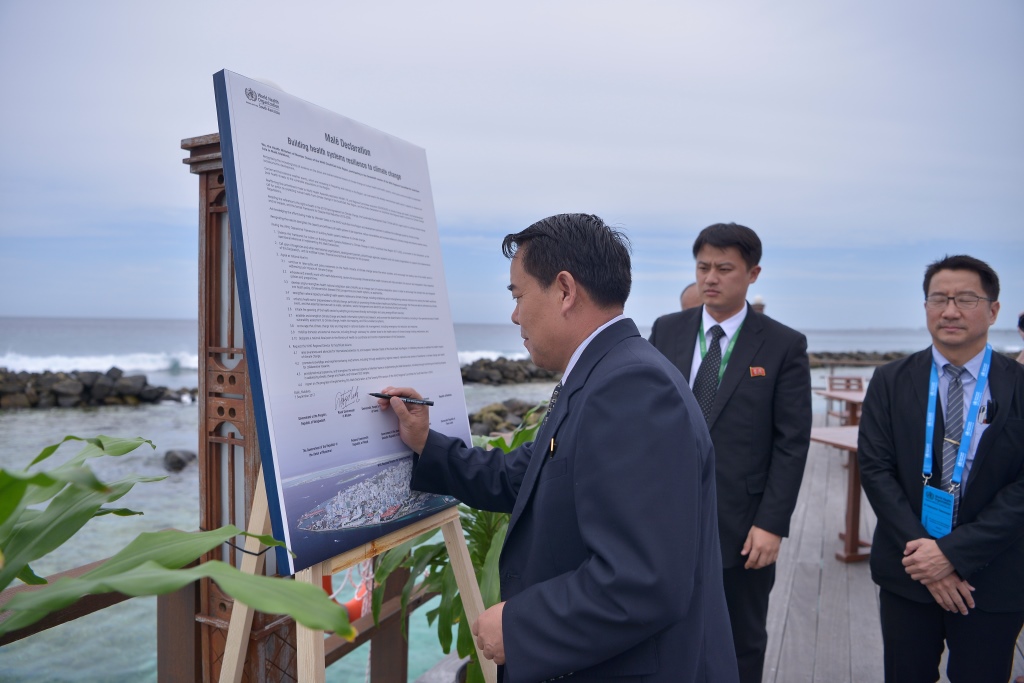
Photo Credit: © Florian Lang/WHO SEARO
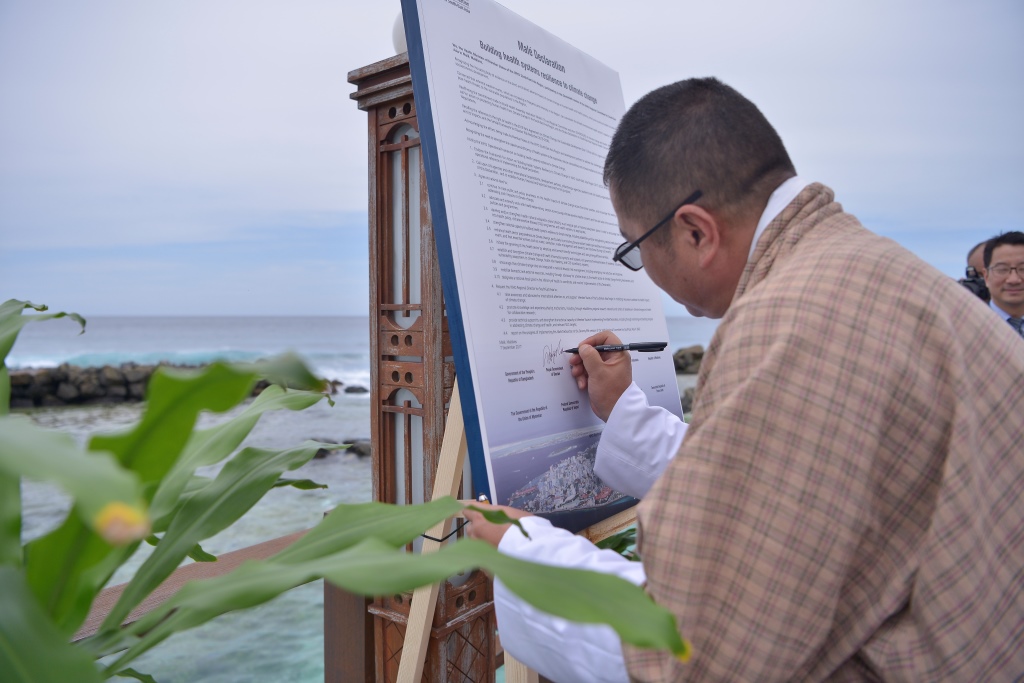
Photo Credit: © Florian Lang/WHO SEARO
Malé Declaration
Healthy environments for a healthier population
In 2017, the 11 countries of WHO South-East Asia Region met in Malé, Maldives to agree on a plan for building health system resilience to climate change. The Malé Declaration summed up their commitment. WHO operationalised the declaration in the Framework for Action: Building health systems resilience to climate change in South-East Asia Region, 2017-2022.
Building on that foundation, WHO and national governments agreed to the WHO South-East Asia Regional Plan of Action for Implementing the Global Strategy for Health, Environment and Climate Change. The 10-year plan (2020-2030) targets 4 areas:
- Scaling up primary prevention
- Building cross-sectoral action, governance, and political and social support
- Strengthening the health sector
- Enhancing the evidence base and risk communication
The plan highlights the importance of partnerships around advocacy. Individuals and groups outside government can help deliver results by driving priorities, raising awareness and building support for action. Nurses, doctors, community health representatives and medical students can all be strong, effective advocates. School communities, especially students, have also shown they are serious about progress on climate change. The challenge now is to leverage all these energies to push for action on climate and health together.
Advocacy opportunities aligning with the WHO SEARO action plan on health, environment and climate change



Let’s integrate
health-climate action in all policies

To succeed, we need advocates inside and outside government
- Encourage local governments to facilitate community action plans to respond to heat, disasters and disease outbreaks
- Launch citizen science initiatives to raise awareness of climate influences on local water availability and quality, and air quality
- Engage students, especially medical students, as health-climate champions
- Encourage community health workers to integrate health-climate information in their community outreach and education activities
LEVELS OF ADVOCACY
International
National governments, civil society groups and grassroots activists can influence global decision-making by participating at international and national forums and communicating their views through global digital platforms and social media networks.


National and regional
Governments drive health and climate policy. Examples of key benchmarks: national adaptation plans (NAPs), specific health national adaptation plans (HNAPs), vulnerability and adaptation assessments, early warning systems for health-climate impacts and health-climate research centres. Governments lead these processes but research institutions, health workers, students and others can make important contributions.
Community
Whether you live in a village or city, you have many options. You might raise awareness or share community views with officials making health decisions. You are most likely to succeed if you work in partnership with others; community health care workers can be good partners in building health-climate resilience.
Digital activism is growing via online communities. Connect4Climate is a global organization that features climate stories from individuals around the world
Government delegations and NGOs participate at annual United Nations climate meetings and other government negotiations
The WHO supports country-level action to prepare hospital systems, build response capacity and reduce risk of death, disease or injuries
In Timor-Leste, a climate vulnerability assessment included extensive village-level research and consultation, which unearthed evidence of drought-induced crop failure and increasing food insecurity. These findings were then addressed in the country’s NAP.
In India, 16 health institutes, each designated to cover a climate-sensitive disease or health impact, are acting as centres of excellence. They are supporting decision-makers and the public health sector with disease surveillance, vulnerability assessments, and training and education.

In Bhutan, one person created a Facebook page with ideas on how to make schools health-climate friendly. The page eventually had 3,000 followers across the country..
In Nepal, a group of neighbours launched a community air quality monitoring programme and posted results on a website each day. They raised awareness of air pollution and health, and encouraged decision-makers to take action.
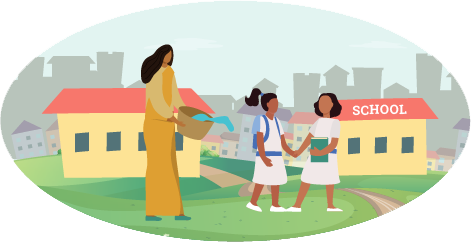
In Sri Lanka, schools organized a dengue prevention campaign that encouraged people to spend 30 minutes each week removing standing water that could host breeding mosquitoes.
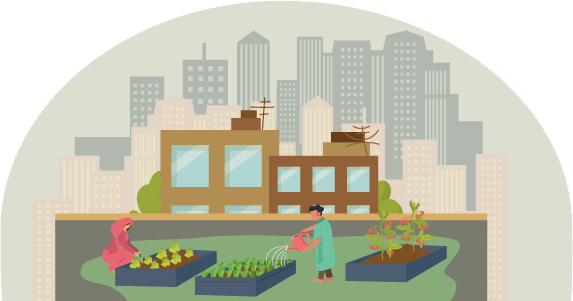
In Dhaka, Bangladesh, one person started Green Savers, which palnt trees and rooftop gardens to help improve nutrition and air quality, and reduce heat. Students from 200 schools have helped raise money and plant gardens.