
Mental health
While many climate impacts on health are extremely visible, mental health challenges may not be readily apparent. In the context of disasters, one study found that the psychological impacts exceed physical injury by a ratio of 40 to 1. Many experts see mental health as one of the most neglected of human health conditions and a barrier to sustainable development. And while the link between extreme weather events and mental health is well established, the connection of those events to climate change is often missing.
By not considering mental health and climate change together, mental health treatment and response may be left out of adaptation planning and disaster risk management. Meanwhile, the frequency of climate-related disasters has increased by 46% since the year 2000.
The impacts of climate change on mental health can be both direct and indirect.
Direct impacts include:
- Increased frequency and intensity of extreme events, which put more people at risk of post -traumatic stress disorder, worry, anxiety, depression, trauma and even suicide
- More hot days and heatwaves, which aggravate pre-existing mental health illness and substance abuse. Heat may also cause some psychoactive medicines to become ineffective
- More hot and humid days, which are strongly associated with increased hospital admissions for schizophrenia, mania and neurotic disorders
- Heat-fuelled wildfires, which directly impact mental health

Indirect impacts of mental health and climate relate to damages to physical and social infrastructure, physical health effects, food and water shortages, conflict and displacement. For example:
- Drought has a well-documented effect on mental health, with land degradation and crop loss causing economic stress and livelihood instability among farmers and their families.
- Extreme events may force migration, a known risk factor for stress, PTSD, anxiety and trauma. Long-term drought, particularly, is linked to forced migration as well as conflict.
Here is a bright spot: some research has shown that extreme events can lead to positive mental health outcomes, as individuals show greater empathy, compassion, altruism and emotional resilience.
At the community level, the consequences of climate impacts on mental health are understudied. These consequences may include a loss of community cohesion, community identity and cultural integrity. Opinion surveys across 40 countries found that people worry specifically about climate change. Yet worry and loss are important factors; they might become motivators for community action on climate change.
Climate drivers


Who is at risk?
- Teenagers, who are at higher risk of PTSD after disasters
- Women, because of lower economic opportunity, reduced access to services, expectations of household responsibilities, widowhood, and sexual harassment
- The poor and other marginalised groups who may already endure low socio-economic status
Ways we can adapt
Individuals and communities can...
- Advocate for primary care interventions
- Participate in and support individual and group-based therapy
- Invest in and plan for the provision of crisis counselling
- Conduct activities to promote foster emotional resiliency through engagement with art, literature, nature and spirituality
- Collaborate with others on community climate resilience plans
Policymakers and other health sector leaders can...
- Improve access and funding to mental health care
- Implement WHO’s Framework for Mental Health and Psychosocial Support after Tsunamis
- Provide specialised training for care providers and first responders on mental health assessment and response
- Support community-based interventions such as climate change resilience plans that address psychosocial well-being
- Invest in climate change adaptation and resilience planning in the mental health system, including investment in post-disaster activities centred on building emotional resilience
- Improve surveillance and monitoring, especially after extreme weather events and during heat waves
Mental health and climate: opportunities for action
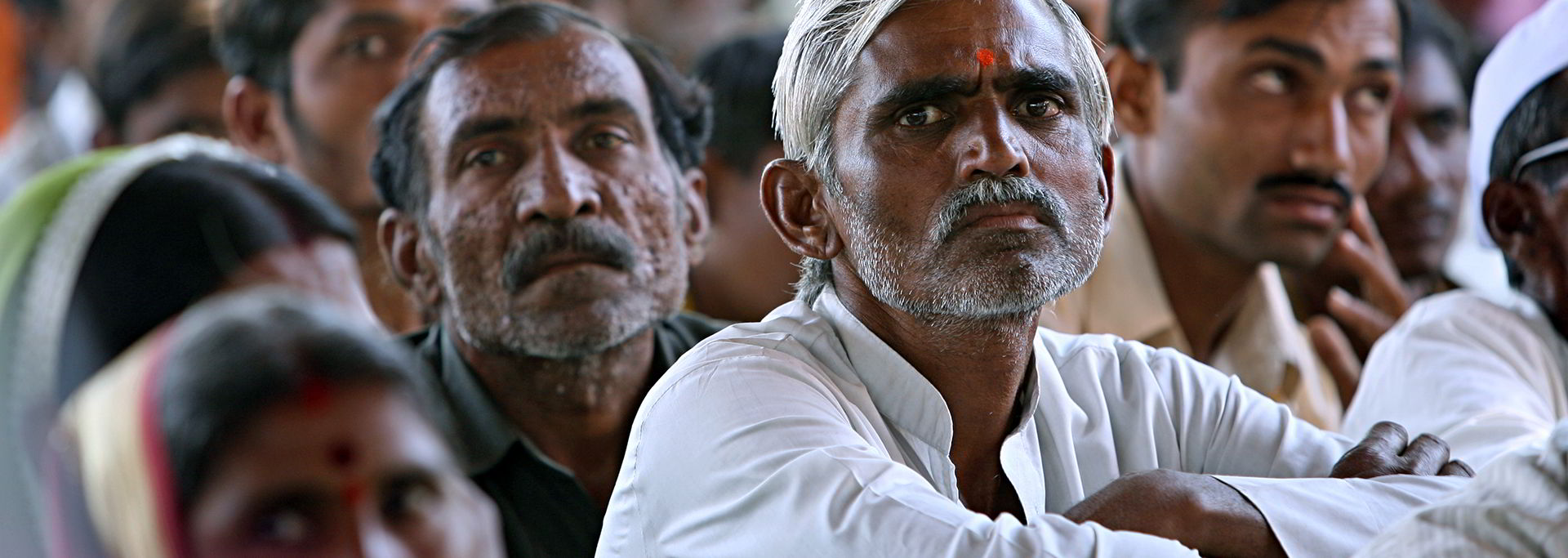
Farmer suicides in India may worsen as climate change brings hotter temperatures that damage crops and exacerbate drought. That is the finding of a 2017 study looking at the association of warming and mental health in farmers, adding to a growing body of evidence on the effects of climate change on the mental health of people around the globe.
Often overlooked, mental health problems are already common among the people living in the countries of WHO’s South
Read more Download WHO guidance