Several years ago, a handful of Kathmandu neighbours decided that a first step toward reducing local air pollution – and the burden of disease that goes with it – was to ensure citizens knew the facts about the problem. It would be great, they thought, if people could check air quality on a daily basis, much as they would check the weather.
At that time, the government of Nepal was not able to provide regular air quality information. After hearing about citizen-driven air pollution monitoring in India and China, the neighbours decided to do something similar. They formed Drishti Kathmandu and raised private donations to acquire low-cost sensors. They also secured technical expertise from ICIMOD, a regional environment centre based in Kathmandu, to calibrate and install them.
The sensors were installed in 9 areas of the city and placed under the management of local residents, who provided power and Wi-Fi connectivity to enable real-time data reporting. The results were reported on a website in a user-friendly data visualisation.
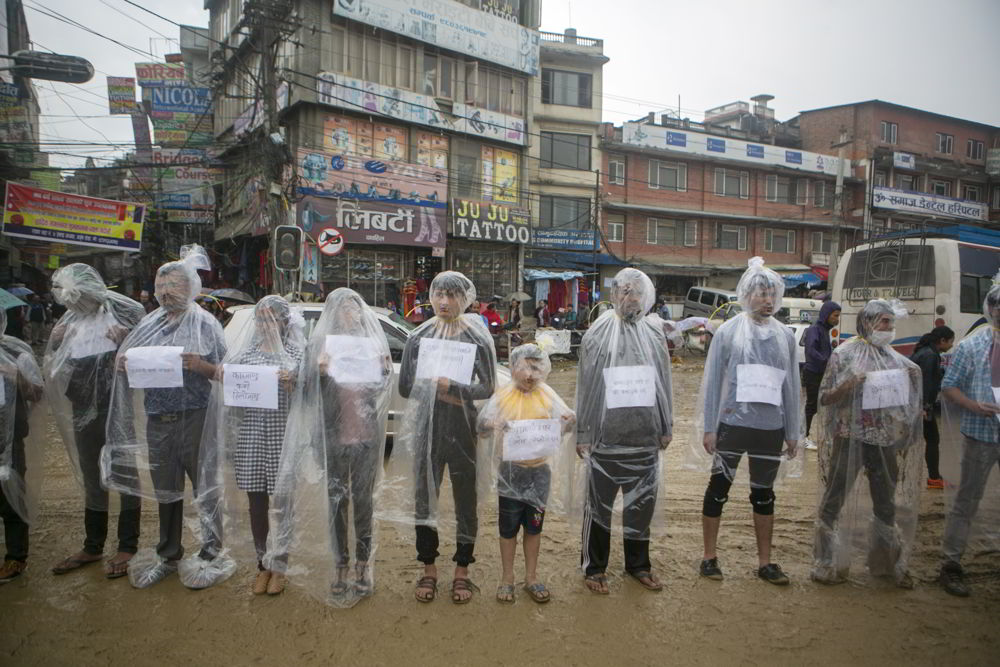
From there, Drishti looked to leverage the monitoring system to further their goal of reducing air pollution. They focused on raising awareness, expanding citizen activism and engaging decision-makers in addressing the problem. They employed a range of tactics, including: media engagement, use of social media platforms, direct lobbying of city officials, street marches and student-targeted outreach.
One of their “hooks” for attracting media attention was to piggy-back on a high-profile health campaign on the importance of exercise and the health risks of obesity. Drawing on their monitoring data, Drishti publicised information about the best and worst times to exercise outside. The surprise in their research – a reason why media covered the story – was that the air was most polluted and unsafe in the early morning, a time most people thought was the best time to exercise. With local television, radio and print stories to share, Drishti team members extended their message through social media including Facebook and Twitter.
Drishti pushed local decision-makers to enforce policies on vehicle emissions and open waste burning, the two largest sources of pollutants in the Kathmandu valley. They also marched peacefully to government offices to demand road improvements that would reduce airborne dust.
Youth were also a target of Drishti’s awareness-raising efforts. In 2018, they sponsored a competition challenging Grade 8-12 students to make short videos on air pollution. As part of the campaign, participating schools were offered educational workshops on the science behind air pollution, storytelling and community engagement, and video production. The guidance from Drishti was that each video include: 1) a story of how air pollution affected the people around them, 2) innovative solutions for their communities, and 3) a call to action for decision-makers.
By choosing a wide range of tactics and building on the successes of each, Drishti is making progress in energising Kathmandu citizens and leaders to take action on air pollution.